What to Look for in a Home Builder: A Step-by-Step Guide
Finding the best home builder is a critical decision. It necessitates careful assessment of various factors, including track record, standing, and communication approach. A thorough evaluation can highlight essential insights that affect the whole building experience. Grasping these factors helps guarantee a successful arrangement. However, figuring out how to proceed can be overwhelming. What particular standards should one consider in this crucial selection?
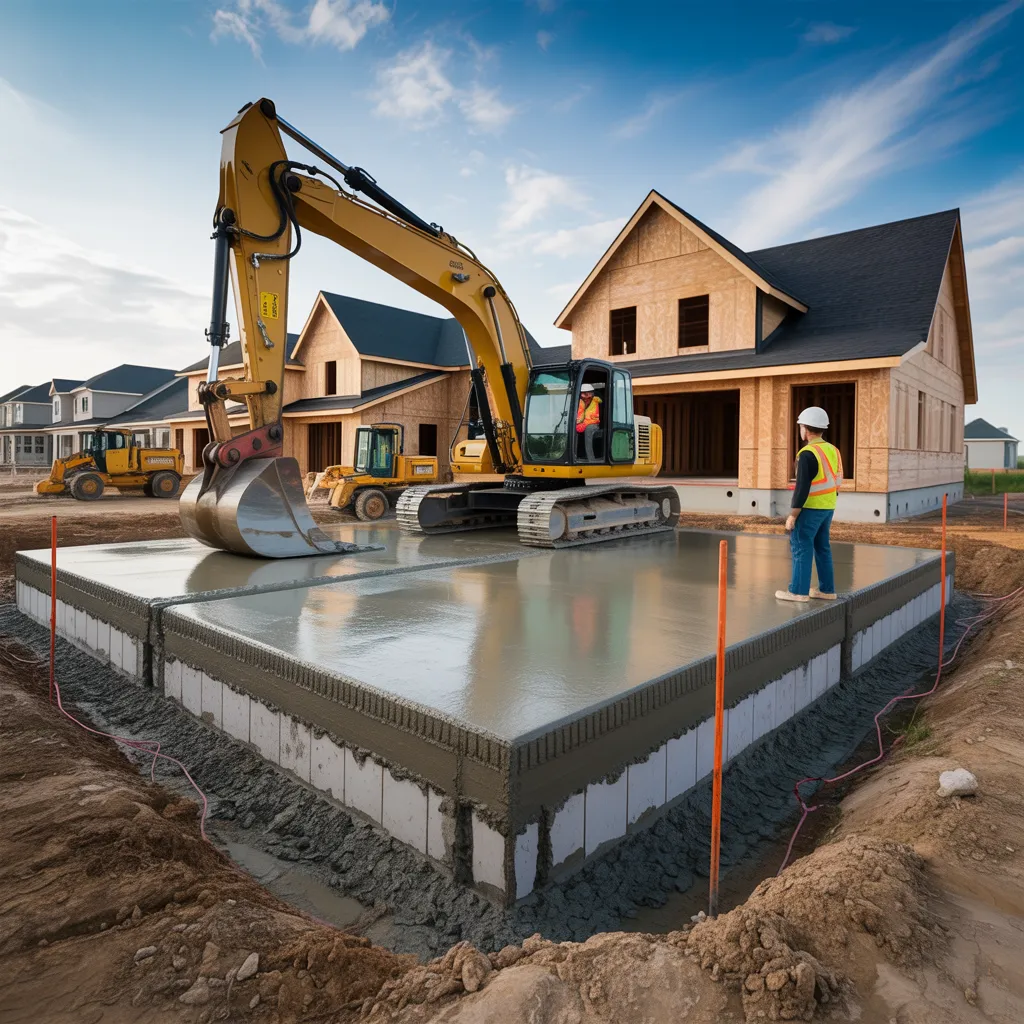
Evaluating Builder Experience and Portfolio
When selecting a home builder, experience and portfolio act as critical indicators of capability. Builders with extensive experience often show a more thorough understanding of local regulations, design trends, and construction processes. This background can considerably affect the quality and efficiency of the project.
A well-curated portfolio demonstrates a construction professional's breadth of experience, featuring various styles and project scales. Potential clients should review completed projects to assess the construction professional's quality of work, attention to detail, and proficiency in delivering client specifications.
In addition, the portfolio can highlight the contractor's adaptability to diverse project requirements and client expectations. Working with contractors who have a proven record of successful projects can build trust in their ability to deliver on promises. Ultimately, examining experience and completed projects allows homeowners to make informed decisions, ensuring their financial commitment matches their desired outcomes and personal expectations.
How to Check Reviews and Reputation?
How can prospective homeowners effectively assess a builder's reputation? A particularly trustworthy strategy involves reading customer reviews on sites such as Google, Yelp, and industry-specific construction platforms. Such reviews frequently offer valuable perspectives on past clients' encounters, shedding light on both advantages and shortcomings. Moreover, reviewing social media platforms can expose current opinions and neighborhood discussions.
Homeowners are advised to gather referrals from friends, family, or nearby real estate professionals, as personal referrals often carry significant weight. Furthermore, investigating the builder's standing with local business bureaus can uncover any complaints or unresolved issues.
To gain a complete understanding, it is advantageous to contact previous clients directly, asking specific questions about their experience and the standard of work delivered. By combining these approaches, potential homeowners can gain a balanced perspective of a contractor's standing, ensuring a more informed decision.
Effective Communication With Your Builder
Developing effective interaction with a home builder is vital for a successful home development project. Proper communication guarantees that homeowners and builders alike are aware of objectives, schedules, and possible obstacles. It starts with an initial discussion where clients can convey their ideas, budget constraints, and any particular needs. Ongoing correspondence, whether through electronic messages, phone conversations, or in-person meetings, promote clarity.
Homeowners are advised to foster a transparent conversation, allowing the builder to share insights and progress reports. This two-way communication fosters trust and can lead to more efficient problem-solving. It is also essential for homeowners to document conversations and decisions to avoid misunderstandings later.
Defining specific milestones and timelines can further enhance communication, ensuring that the project remains on schedule. Ultimately, open and transparent communication not only minimizes anxiety but also supports a more efficient construction process, producing a home that satisfies what the homeowner had in mind.
How Your Home Builder Determines Material Choices
Transparent communication establishes the foundation for comprehending how builders choose materials for a building project. Contractors generally evaluate multiple factors, encompassing the project's design, applicable building codes, and the homeowner's requirements. They often prioritize quality and durability, opting for materials that meet or exceed industry standards.
Sustainability is another critical aspect, with a growing number of builders adopting green alternatives to cater to eco-aware clientele. Builders frequently partner with material providers to secure the supply of chosen materials, while adhering to project schedules and financial constraints.
Additionally, contractors evaluate the costs and performance of materials, considering the advantages of multiple options alongside potential drawbacks. This thorough assessment process ensures that the final selection is in line with the homeowner's desires while offering both structural strength and visual attractiveness. Ultimately, the decision on materials embodies both the builder's expertise and the shared feedback from the homeowner.
Understanding Fair Pricing Structures
Comprehending fair pricing models is crucial for potential homeowners. A clear financial breakdown permits clients to identify clearly where their funds are being allocated, while reviewing price quotes helps ensure they are getting competitive offers. This clarity can greatly affect the decision-making process when hiring a construction professional.
Clear Pricing Breakdown
What steps can potential homeowners take to ensure they receive fair pricing when working with a builder? A clear and detailed cost breakdown is crucial for comprehending equitable pricing frameworks. Construction professionals should supply thorough estimates that detail every cost involved, encompassing materials, labor, permits, and potential unexpected charges. Such transparency not only builds trust but also allows homeowners to evaluate how their money is being spent. Potential homeowners should ask about the pricing approach employed, confirming it meets industry benchmarks. A reputable builder will willingly discuss their pricing strategy, explaining any variances in costs. This transparency enables homeowners to make well-informed choices and reduces the likelihood of concealed fees or unexpected charges, promoting a more seamless construction process.
Reviewing Quote Estimates
When assessing prospective builders, reviewing price estimates is an essential step in ensuring fair pricing structures. Potential homeowners should gather multiple quotes to understand the market average and recognize inconsistencies. Each estimate should include a detailed breakdown of costs, encompassing materials, labor, and any additional fees. This clarity aids in assessing whether a quote is competitive or inflated. Homeowners should also inquire about the methodology behind each estimate, as various contractors may apply different benchmarks for materials and labor. It is essential to consider not only the overall price but also the standard of services and materials provided. By meticulously analyzing these quotes, prospective owners can arrive at well-considered choices and identify a builder that suits their budget and requirements.
Key Questions to Ask Before Signing
Prior to finalizing a contract with a residential builder, it is vital to seek information regarding their background and qualifications. Additionally, validating their licensing and coverage can ensure peace of mind about their qualifications and your security. As a final step, understanding the warranty and aftercare services offered can assist in securing sustained value from the investment.
Skills and Experience
Choosing a home builder demands close examination of their expertise and experience, as these qualities significantly impact the caliber of the completed project. Prospective homeowners should ask about the builder's time in the field and the styles of residences they have expertise in. Asking for samples or references of past work can shed light on their quality of work and client satisfaction. It is also beneficial to familiarize yourself with the builder's methods for project management and problem-solving, as these skills can influence budgets and timelines. Furthermore, exploring any industry awards or distinctions achieved can highlight their standing in the industry. In the end, a builder's background and proficiency should align with the homeowner's goals and aspirations for their dream home.
Licensing & Insurance
A complete understanding of licensing and insurance is essential for homeowners selecting a builder. Homeowners should initially confirm that the builder holds a valid license, as this confirms conformity with local regulations and standards. It is advisable to ask for documentation verifying the license, confirming that it is valid and applicable to the construction type being planned.
Proper insurance coverage is equally essential. Homeowners should inquire about general liability insurance, which shields them from possible damages, and workers' compensation insurance, which guards against workplace injuries. A trustworthy builder should readily supply documentation of both. This due diligence not only protects the homeowner's investment but also fosters trust in the builder's professionalism and commitment to quality.
Warranty and Post-Purchase Services
Grasping warranty coverage and aftercare offerings is a crucial consideration after verifying a contractor's licensing and insurance. Prospective buyers should ask about the specifics of the warranty coverage, including its timeframe and what it covers. Essential inquiries involve: What is the procedure for making a claim? Are there any limitations or exclusions? Furthermore, it's important to evaluate the maintenance services offered. Residents should find out how the builder addresses issues after construction, such as maintenance or repairs. They should also investigate the responsiveness of the support team and reaction times for maintenance requests. A builder's dedication to aftercare and warranty provisions can substantially affect the long-term satisfaction with the residence, making these considerations indispensable before signing any contracts.
Questions Our Clients Often Ask
What Kind of Warranties Do Home Builders Commonly Provide Following Project Completion?
Residential builders commonly include warranties that protect against structural defects for a decade, systems and appliances for a period of one to two years, and workmanship for a single year, ensuring protection against potential issues after project completion.
How Do Builders Deal With Unexpected Project Delays or Complications?
Construction professionals generally address unanticipated construction delays by maintaining open communication with stakeholders, evaluating the cause, and providing revised timelines. They can implement contingency plans and arrange resolutions to reduce disruption, maintaining the continuation of work and stakeholder confidence.
Am I Able to Customize My Home Design With Any Builder?
Not every builder permits home design customization. Some provide predetermined floor plans, while some give homeowners more versatile choices. Potential buyers ought to explore customization possibilities to confirm that their goals correspond with the builder's offerings.
What Financing Solutions Do Builders Offer for New Home Purchases?
Home constructors commonly provide several payment alternatives, including direct builder financing, partnerships with lenders, and customizable payment arrangements. These plans are intended to meet diverse financial needs, rendering home ownership more attainable for interested purchasers looking for newly built properties.
How Do Builders Ensure Energy Efficiency in New Homes?
Construction professionals guarantee energetic additional resource efficiency in modern homes by integrating state-of-the-art insulation materials, energy-efficient windows, and HVAC systems. They further incorporate green building methods and technologies, with the goal of minimizing energy usage and improving overall environmental outcomes.